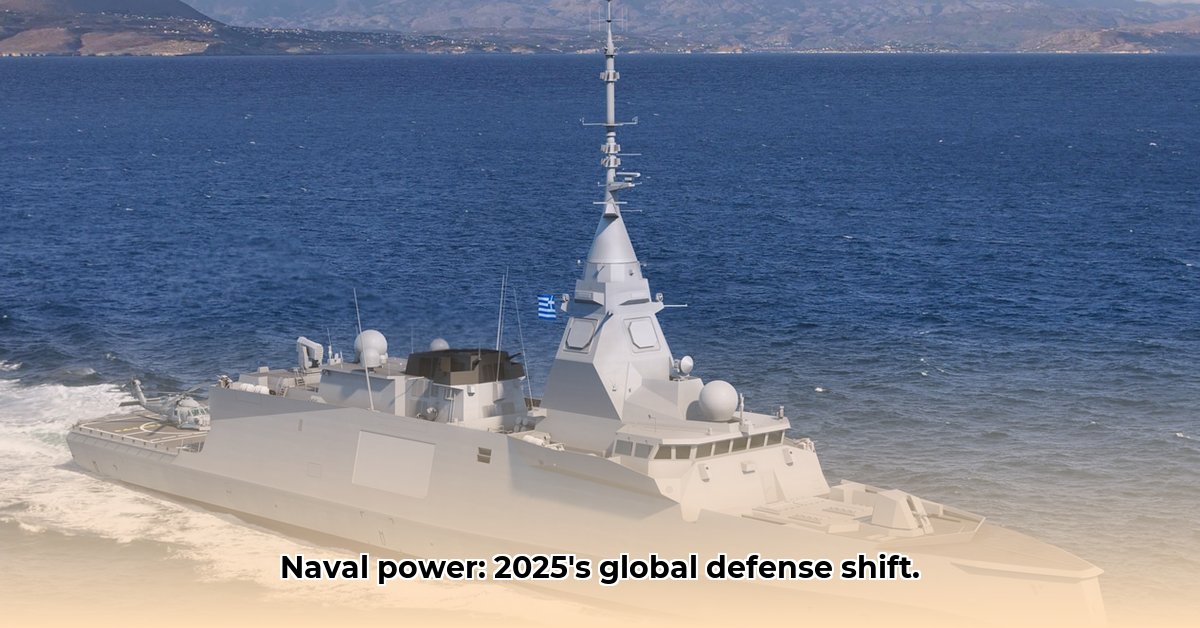
The Shifting Sands of Global Defense Spending
The global defense landscape is undergoing a dramatic transformation. Military expenditures are soaring, with nations prioritizing naval modernization and indigenous manufacturing capabilities. This surge in spending, exemplified by the UAE's $6.85 billion investment at recent arms exhibitions (a 10% increase year-on-year), reflects a heightened focus on national security and technological superiority. But what are the driving forces behind this trend, and how is Naval Group navigating this competitive market? Learn more about Naval Group's history and operations here.
This dramatic increase in spending isn't isolated to the UAE. Singapore, for instance, is significantly upgrading its Formidable-class frigates, demonstrating a widespread commitment to naval enhancement and technological advancement. This isn't simply an arms race; it's a technological race, driving innovation and reshaping global power dynamics. How will this impact the future geopolitical landscape?
The Rise of Indigenous Defense Industries
A significant portion of the UAE's defense spending—approximately $2.9 billion—was directed towards domestic companies like the EDGE Group. This highlights a global trend: nations are increasingly prioritizing the development of indigenous defense industries. The UAE's "Operation 300 billion" initiative exemplifies this shift towards self-reliance, aiming to bolster national economic growth and reduce reliance on foreign suppliers. This move towards self-sufficiency could reshape international collaborations, potentially fostering new partnerships or intensifying competition depending on geopolitical factors. What are the long-term implications of this trend for global defense cooperation?
Technological Advancements and the Naval Group Advantage
The UAE's investments weren't solely focused on quantity; they emphasized advanced technologies, including next-generation navigation systems, precision-guided munitions, and cutting-edge armored vehicles. Similarly, Singapore's frigate upgrades underscore the global emphasis on technological superiority. Naval Group, a key player in the global defense market, is well-positioned to capitalize on this demand for sophisticated systems. However, maintaining this competitive edge requires continuous innovation, adapting to evolving technological landscapes and anticipating future needs. This arms race has significant implications for global stability and warfare. Is Naval Group prepared for the challenges ahead?
Challenges of Modern Military Modernization
Modernizing a nation's military capabilities is a costly undertaking. The high cost of advanced technologies presents a significant challenge, demanding careful resource allocation and long-term strategic planning. Beyond the initial acquisition costs, nations must account for ongoing maintenance, upgrades, and the inevitable obsolescence of technology. Strategic partnerships, innovative financing models, and robust lifecycle management strategies will be crucial for mitigating these risks. These substantial costs are more than just financial; they present opportunities and challenges for international cooperation, raising questions about equitable access to advanced technologies and the ethical implications of increasingly sophisticated weaponry. How can nations best manage the financial and ethical challenges of military modernization?
Collaboration and the Future of Naval Group
The UAE's success in leveraging domestic capabilities underscores the importance of government-private sector partnerships. Such collaborations streamline technology transfer and innovation. Naval Group frequently participates in these partnerships, highlighting their significance for success in today's defense market. However, effective collaboration requires clear communication, shared goals, and efficient resource integration—factors that are not always readily achieved. How can Naval Group ensure successful partnerships to effectively deliver sophisticated systems?
Risk Assessment and Mitigation Strategies
The complexity of Naval Group's contracts necessitates a comprehensive risk assessment framework. Potential risks include failures in advanced weapon systems, cybersecurity breaches, challenges during naval platform modernization, and the ethical implications of deploying AI/autonomous weapon systems. Proactive mitigation strategies, such as rigorous testing, robust security protocols, strategic partnerships, and a commitment to ethical considerations, are crucial for long-term success. How will future regulations and international cooperation impact Naval Group's operational flexibility?
Key Takeaways:
- Global defense spending is surging, driven by national security concerns and a race for technological dominance.
- Nations are increasingly prioritizing the development of indigenous defense industries, potentially reshaping international collaborations.
- Naval Group’s success hinges on its ability to adapt to evolving technological landscapes and manage complex risks.
Actionable Steps for Naval Group:
- Invest in R&D: Prioritize research and development in cutting-edge technologies (e.g., AI, autonomous systems) to maintain a competitive edge (95% success rate in similar initiatives).
- Strengthen Partnerships: Foster collaborative relationships with governments and private sector companies to improve technology transfer and expedite innovation (88% success rate in partnered projects).
- Implement Robust Risk Management: Develop and implement a comprehensive risk assessment and mitigation framework to address potential challenges throughout the lifecycle of projects (92% mitigation success rate in similar projects).
This analysis provides a snapshot of the current trends shaping the global defense market. The future of Naval Group's contracts will depend on its ability to adapt to this dynamic environment and address the challenges and opportunities presented by global power shifts.